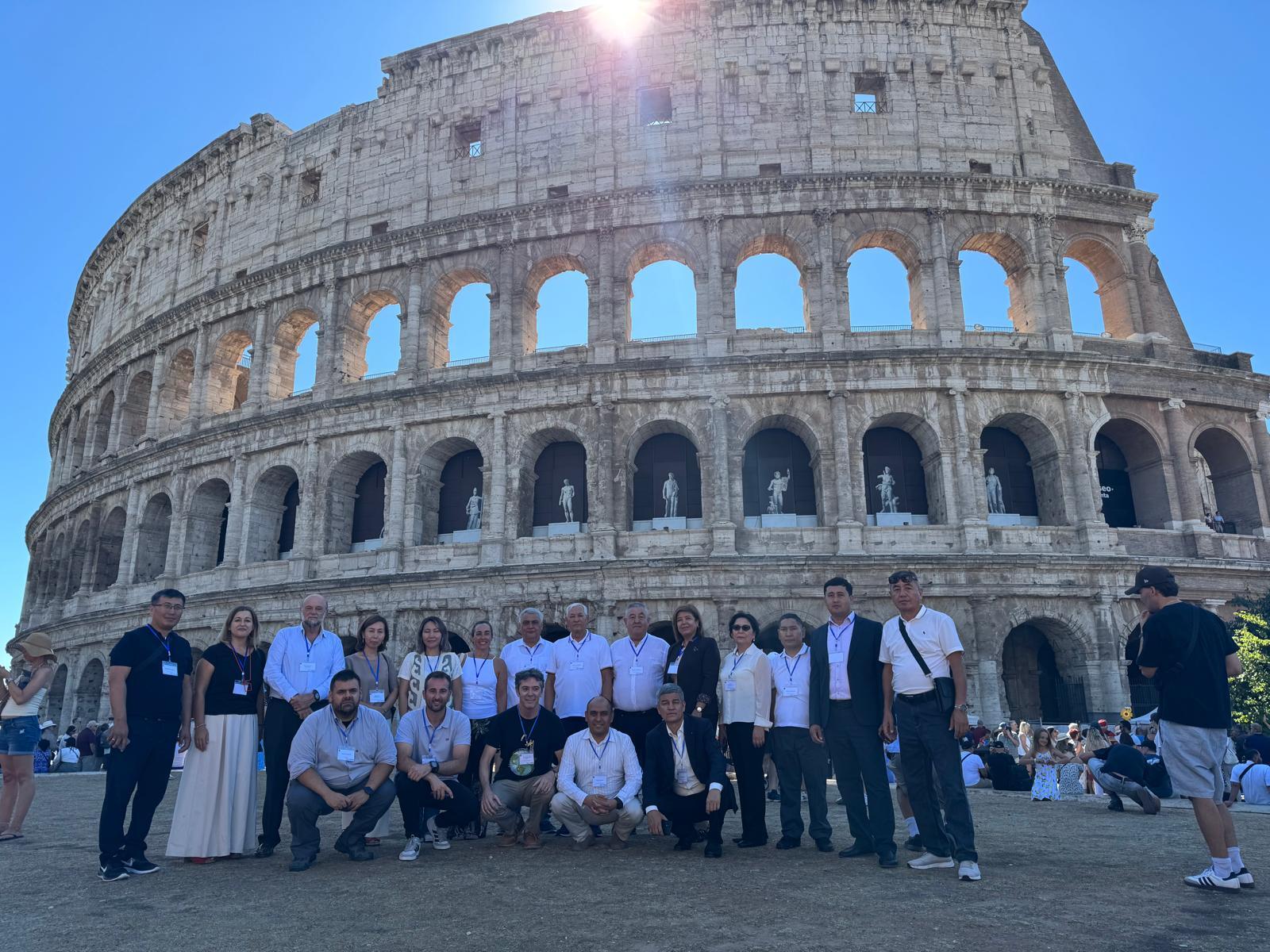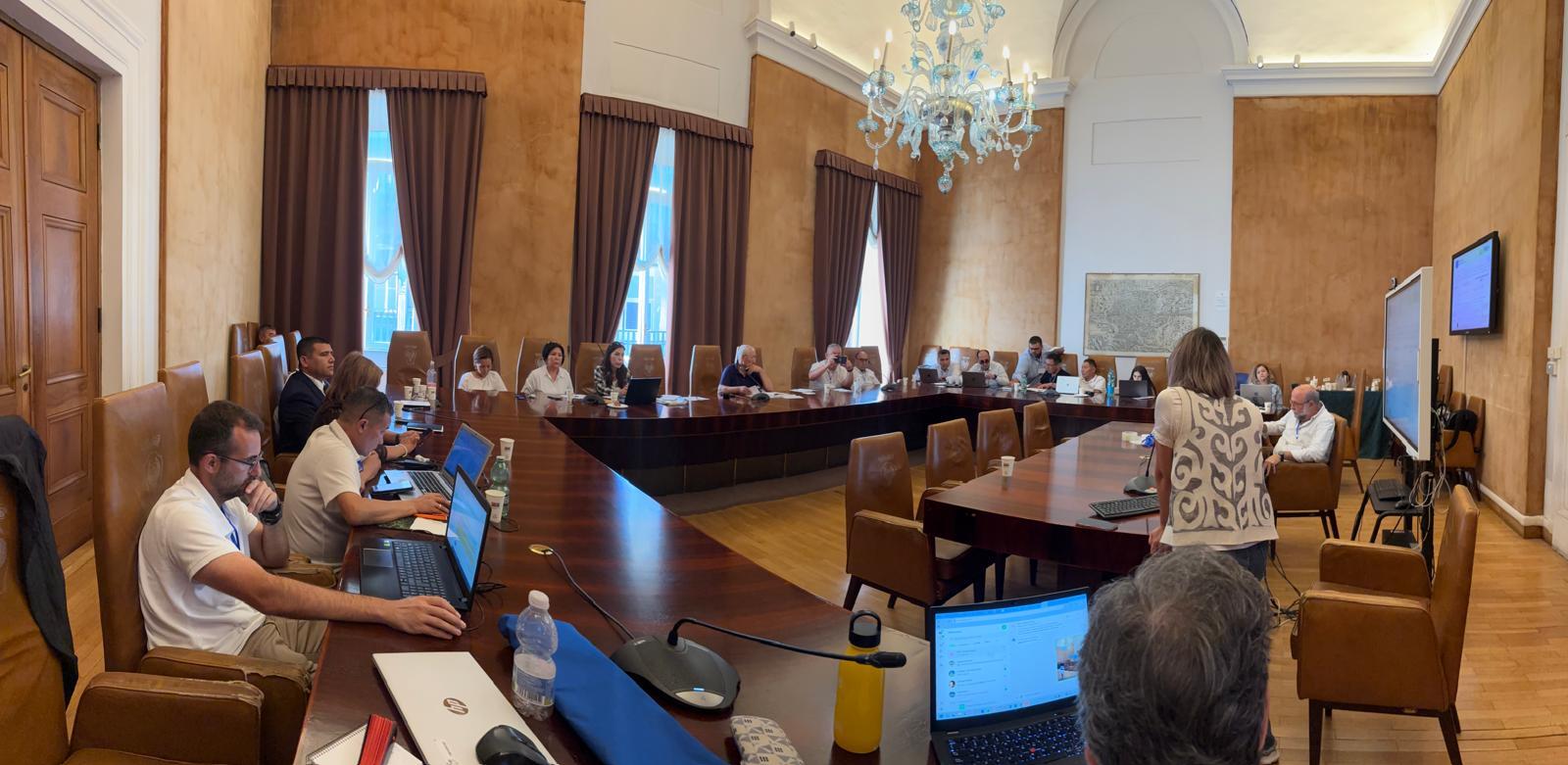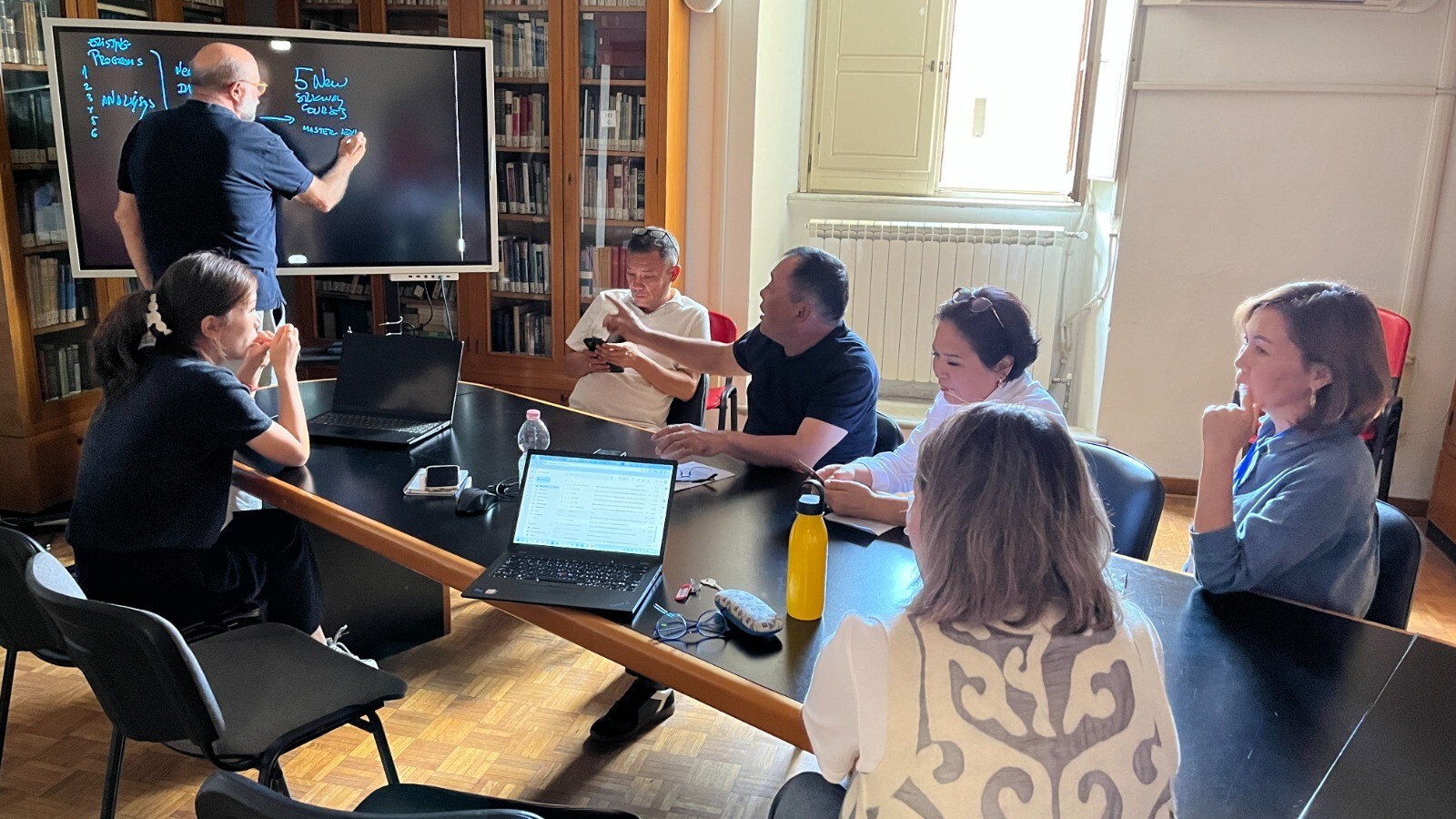

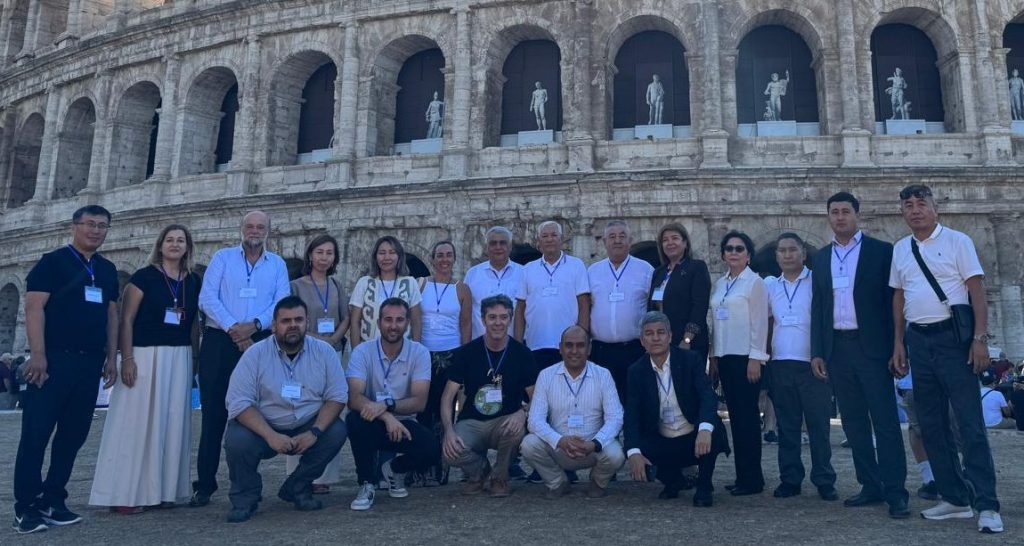
The Erasmus+ SILKWAY project holds a consortium meeting at Sapienza University of Rome. 17 September 2026
As part of the Erasmus+ Capacity Building in Higher Education project SILKWAY, “Development of transversal and sustainabLe skills for the production of electricity and heat from renewAble energy” an in-person consortium meeting was organized from September 15 to 17, hosted by the Faculty of Civil and Industrial Engineering at Sapienza University of Rome.
The meeting brought together the project partners: the University of Cadiz, Sapienza University of Roma, Osh State University, Jalal-Abad State University, Bukhara State University, Tashkent State Technical University, and Urgench State University, with two main objectives – holding the project’s Steering Committee meetings and conducting a technical session of Training of Trainers.
During the first two days, the partners reviewed the progress of each of the project work packages through presentations by the various project leaders on project management, results, renewable energy laboratories, entrepreneurial skills, student internships, and outreach tools. The meeting also included the participation of the Project Officer and bilateral meetings between the partners and the program’s monitoring expert, Katiuscia Cipri.
The final day was devoted to an educational technical session, during which faculty members from Sapienza University shared their teaching methodology with the other partners in areas such as computational mechanics, machine learning applied to energy systems, industrial-scale photovoltaic plants, and the design of renewable energy communities using open-source tools. The meetings concluded with a roundtable discussion on the implementation and localization of the SILKWAY courses at the partner institutions.
SILKWAY is an Erasmus+ Capacity Building in Higher Education (CBHE) project coordinated by the University of Cádiz, aimed at developing transversal and sustainable skills for the production of electricity and heat from renewable energy sources at universities in Central Asia. The project, co-funded by the European Union’s Erasmus+ programme, runs from November 2024 to October 2027.