
The European SILKWAY project promotes training in renewable energy in Central Asia with a key meeting in Tashkent 2 December 2025
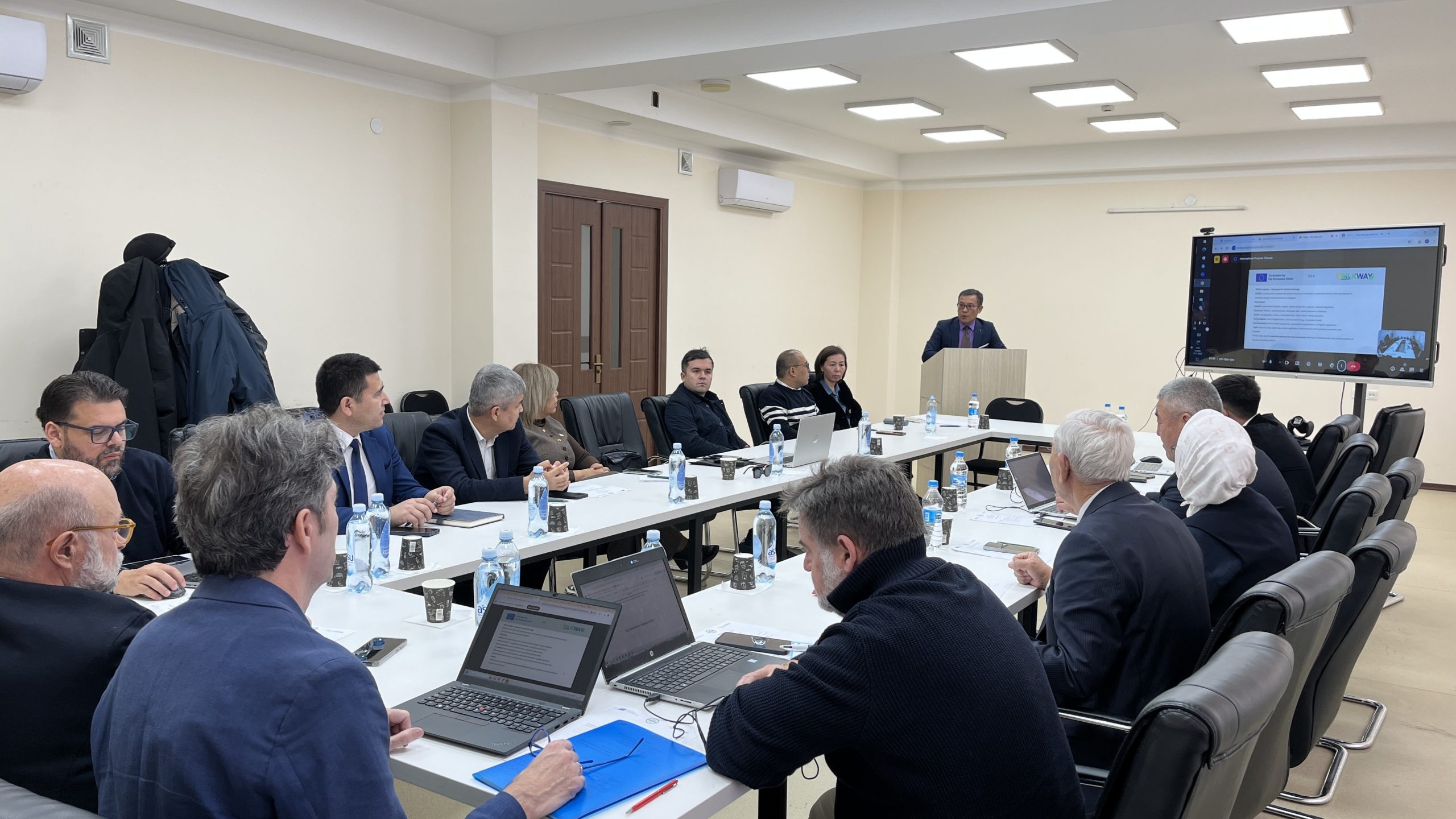
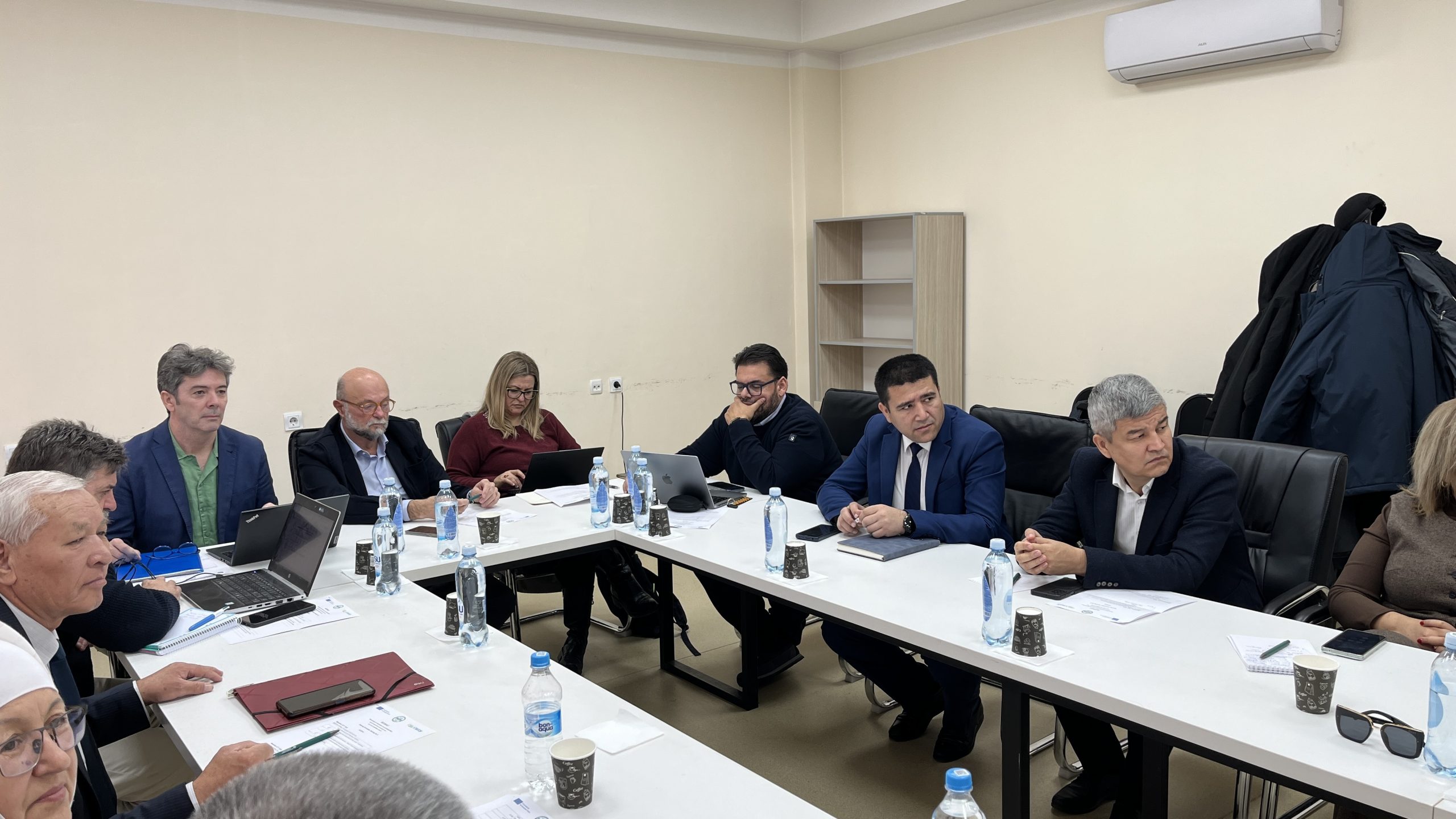
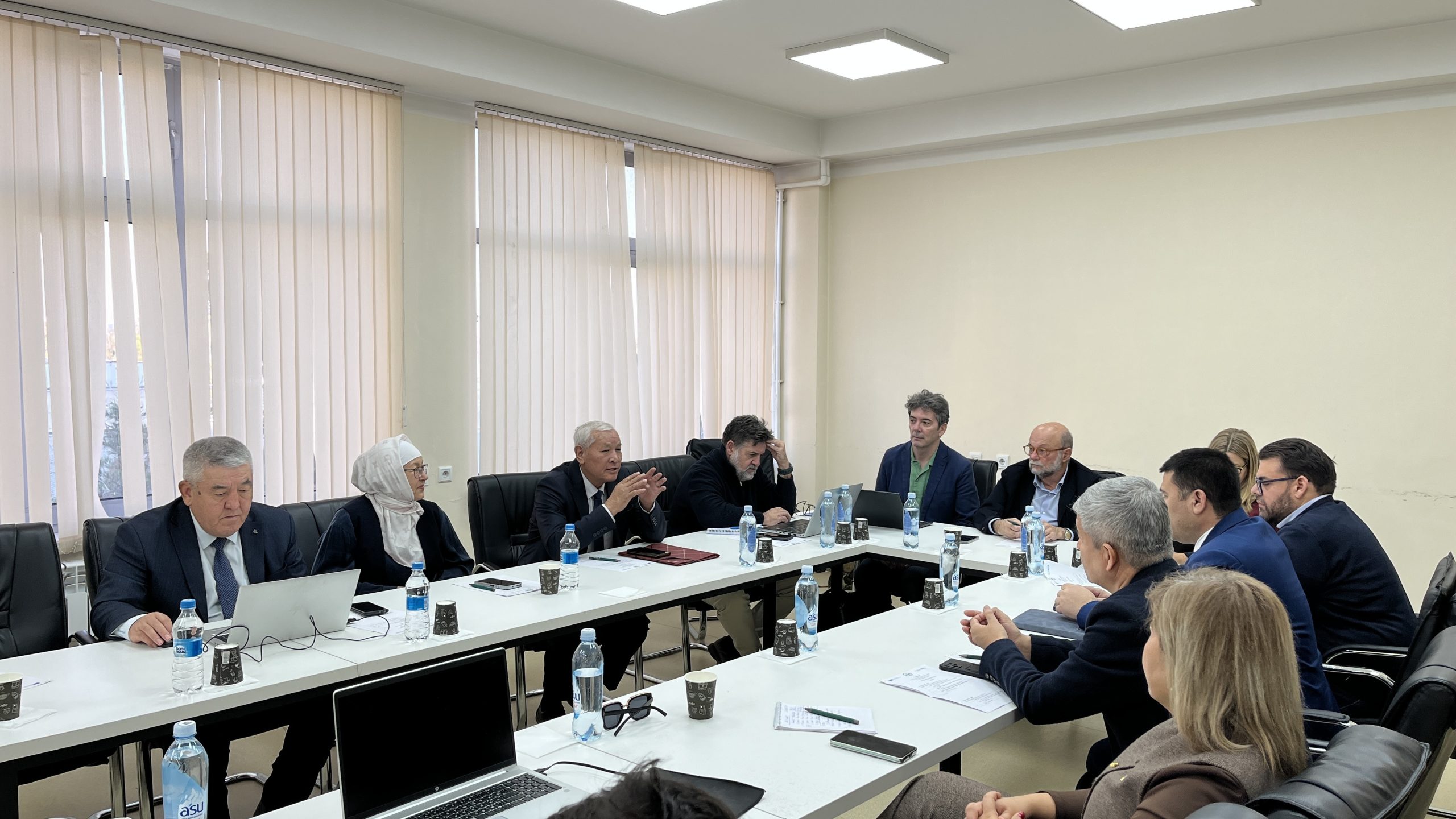
On 26 and 27 November, the SILKWAY project Steering Committee held its face-to-face meeting at Tashkent State University. This meeting, the first physical meeting of the project, was attended by representatives from Sapienza University of Rome in Italy, Osh State University and Jalal-Abad State University in Kyrgyzstan, and Tashkent State Technical University, Urgench State University and Bukhara State University in Uzbekistan.
The SILKWAY project, ‘Development of transversal and sustainable skills for the production of electricity and heat from renewable energy,’ is funded by the Erasmus+ programme for Capacity Building in Higher Education, with a total budget of €888,379.2 and maximum funding of €799,541.34.
The project is strongly focused on the European Green Deal and the production of electricity and heat, which is particularly important given the current geopolitical situation affecting countries in the Central Asian region. This initiative is the result of the University of Cadiz’s intense collaboration with Central Asia through its International University Centre for Eastern Europe and Central Asia (CUNEAC) and its network of partners in the area, and the long history of cooperation between the UCA and La Sapienza University of Rome in the preparation and implementation of European projects.
The core of the project addresses the world of renewable energies, in particular clean energy production for electricity and heat, responding to a specific energy supply need in the country.
Specific courses on these topics and renewable energy technologies have been designed based on the specific resources of the countries involved. Specifically, the following seven courses have been designed: ‘Electricity generation -PV, Biomass, Wind, Hydropower’ (6 ECTS), ‘Thermal Energy – Solar thermal, Biomass’ (3 ECTS), ‘Energy Efficiency’ (3 ECTS), ‘Circular Economy’ (3 ECTS), ‘Business Development’ (3 ECTS), ‘Practical Project work’ (3-6 ECTS) and ‘Green Hydrogen Technologies and Chemical Storage’ (6 ECTS).
These courses will complement the training programme with the acquisition of cross-cutting skills through the multidisciplinary teaching of courses on energy efficiency, the circular economy and business development in the energy sector, providing students with a comprehensive overview of the environment in which they will be called upon to work once they have completed their studies.
These new courses will be at master’s level in accordance with the quality standards of the European Higher Education Area and will be accredited as postgraduate specialisation courses. Accreditation will be a requirement of the project and the responsibility of each beneficiary university in Central Asia, in accordance with its academic standards. This format allows the courses to be offered to all postgraduates and master’s students, including professionals in the labour market who are interested in acquiring new skills to work in this sector, which is currently experiencing very high growth.
The strong growth experienced in the renewable energy market, driven by the governments of Uzbekistan and Kyrgyzstan, requires professionals trained in these disciplines to respond to the strong demand for graduates trained in renewable energy.
Through this project SILKWAY, the European Commission is funding five specific renewable energy laboratories that will be installed in each of the partner universities in Central Asia. This equipment will be used to update the training of students, which, together with the courses designed within the project, will enable the development of new skills for students and teachers at the participating universities.