

ISC. 9. Sailing together: Designing impactful marine education for ocean conservation
General Information
Venue: Campus Puerto Real, Cádiz
Dates: September 14-18
Duration: 30h
Field of Knowledge: Marine Education
Number of places: 25
Course Coordinator: Leila Carmona Barnosi and Alejandro Centeno Cuadros
Coordinator’s email: leila.carmona@uca.es alejandro.centeno@uca.es
Language: English
ECTS recognition is requested
Target Audience: Students and recent graduates in Marine Sciences and related fields
Course Description
This five-day intensive course is aimed at students and graduates in Marine Sciences interested in marine education as a professional field and as a strategic tool to promote ocean knowledge and conservation. Its objective is to offer a solid conceptual and practical introduction that allows participants to understand this area and its importance within marine sciences, begin working in it with clear methodological foundations, and envision possible professional development pathways.
The course integrates theoretical frameworks and practical application to foster critical thinking in the design, implementation, and evaluation of marine education initiatives. Through participatory activities, the foundations of Ocean Literacy, the United Nations Decade of Ocean Science for Sustainable Development, and the Sustainable Development Goals (SDGs) will be addressed, analyzing how these international agendas position education as a key axis for socio-environmental transformation.
Special emphasis will be placed on learning and understanding the pedagogical methodologies that support educational activities, including experiential learning, inquiry-based approaches, consideration of the educational context, and the use of evidence for decision-making. Participants will critically analyze how these elements influence the coherence, scope, and impact of educational proposals.
The program combines practical sessions of participatory activities with the analysis of methodologies, programs, and marine education tools developed in Spain and in international contexts. It will also include an introduction to research in the field of ocean literacy, as well as a critical review of science communication resources and educational materials in different formats.
As a central component of the training process, participating students will design an educational activity in groups based on the shared methodologies, which will be subjected to structured peer feedback. Subsequently, one of the activities will be selected for implementation with a pilot group of students at the end of the course. Both exercises will allow participants to integrate the content covered and reflect on the coherence between objectives, methodology, and evaluation.
Overall, the course seeks to promote training in and application of educational methodologies related to Ocean Literacy, as well as to foster motivation among students in this interdisciplinary field, equipping them both to design educational activities and to analyze them in order to generate educational and social impact.
Course Objectives
General Objective
Develop conceptual, methodological, and critical competencies for the design and evaluation of marine education activities aimed at ocean conservation.
Specific Objectives
By the end of the course, students will have acquired:
Conceptual Understanding
- Explain the principles of Ocean Culture and their relevance in marine education.
- Analyze the relationship between marine education, the Decade of the Ocean, and the SDGs.
- Identify pedagogical approaches used in marine education.
- Critically evaluate marine education activities and programs developed in Spain and in other international contexts.
- Recognize the methodological and pedagogical assumptions underlying different educational tools.
- Analyze the limitations and potential of different strategies for evaluating educational impact.
- Design a marine education activity consistent with an explicit theoretical framework.
- Propose basic indicators to evaluate the impact of an educational intervention.
Professional Development
- Become familiar with networks, institutional programs, and professional opportunities in the field of marine education.
Participant requirements
-
Student (preferably in the final years) or graduate in Marine Sciences
-
English level: B2 (C1 preferred)
-
Attendance for the full course
-
Motivation letter explaining how they plan to incorporate marine education into their environment
Course Programme
Monday, September 14th – The Ocean as a Scientific and Educational Context
| 09:00–09:45 | Introduction and Connection with the Ocean |
| 09:45–11:45 | UCA Research – Marine Sciences |
| 12:00–13:00 | Ocean Literacy, Decade of the Ocean, and SDGs |
| 13:00–13:30 | Formation of Working Groups and Selection of Topics for Educational Activity Design |
| 13:35–14:00 | Structured Reflection in Exit Passes |
Tuesday, September 15th – Methodologies in Marine Education | Approach to the Environment and Field Learning Experiences
| 09:00–11:00 | Marine Education Activity |
| 11:20–12:20 | Methodological Deconstruction of the Workshop |
| 12:20–13:00 | Pedagogical Approaches for Activity Evaluation |
| 13:00–13:30 | Design Work |
| 13:30–14:00 | Structured Reflection in Exit Passes |
| 15:30–17:30 | Field Trip/Workshop on Intertidal Biodiversity in Cádiz |
| 17:30–18:00 | On-Site Discussion |
Wednesday, September 16th – Assessment and Impact
| 09:00–11:00 | Marine Education Activity, New Technologies |
| 11:20–12:20 | Indicators and Evaluation Coherence |
| 12:20–13:00 | Research in Marine Education: Main Lines and Needs |
| 13:00–13:30 | Design Work |
| 13:30–14:00 | Structured Reflection in Exit Passes |
Thursday, September 17th – Scalability, Networks, and Outreach | Project Presentations and Peer Evaluation
| 09:00–10:00 | External Expert – Networks or Institutional Program |
| 10:00–11:00 | Escuelas Azules and Collaboration with Teachers for Work with Schools |
| 11:20–12:30 | Types of Support Materials for Marine Education (Connection with Outreach) |
| 12:30–13:30 | Intensive Design Work |
| 13:30–14:00 | Structured Reflection in Exit Passes |
| 15:30–16:00 | Rubric Presentation |
| 16:00–17:30 | Project Presentations |
| 17:30–18:00 | Peer Evaluation and Feedback |
Friday, September 18th – Real Implementation and Professional Reflection
| 09:00–12:30 | Implementation with Students (Summer School) |
| 12:50–13:30 | Implementation Analysis |
| 13:30–14:00 | Final Course Reflection |
Assessment
Educational Activity Design (40%)
The final project consists of the group design of a contextualized and methodologically grounded marine education activity. The evaluation will consider the following criteria:
- Theoretical coherence and methodological foundation
- Clarity and relevance of objectives
- Evaluation strategy
- Integration of Ocean Literacy and SDGs
- Incorporation of feedback
Critical Participation in Activities, Analysis, and Debates (40%)
Active involvement of participants will be evaluated in:
- Active participation in activities.
- Critical analysis of cases and activities presented by experts.
- Methodological discussions in the classroom and in the field.
- Well-founded contributions in collective debates.
- Constructive collaboration in group work.
Exit Pass: Learnings and Questions (20%)
At the end of each day, each student will complete a brief individual reflective exercise (exit pass) in which they must:
- Indicate their main learning of the day
- Highlight a question or curiosity that arose during the day
This mechanism aims for daily self-evaluation through personal reflection but also serves as a tool to help coordination adapt upcoming sessions based on themes that emerge from the exit passes.
▶Teaching Staff
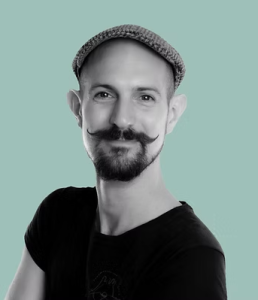 |
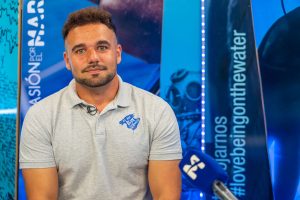
Russell Arnott holds a PhD in ocean science from the University of Bath and a first-class Masters in Oceanography from the National Oceanography Centre, Southampton. Currently, he is an Associate Lecturer in Ocean Science at the University of Exeter and lectures in marine science communication on Falmouth University’s Marine and Natural History Photography degree. For the EU-funded EPOC project, he coordinates science communication and stakeholder engagement around the Atlantic Meridional Overturning Circulation (AMOC) and its implications for European climate.
His scientific specialism sits at the boundary between ocean physics and plankton biology. Specifically, he studies how and why water moves, and how that movement shapes the microscopic organisms that produce half the oxygen we breathe. Because that boundary crosses oceanography and marine biology, his research is genuinely multidisciplinary. |
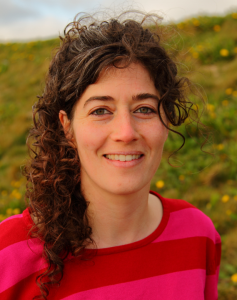 |
Ana Payo Payo
Born in Zamora, Spain, in 1986, Ana Payo-Payo developed an early interest in science, which led her to study Marine Sciences. Her passion for nature and her conviction that research should contribute to practical solutions inspired her to specialize in biodiversity conservation. She recently completed her PhD thesis on the ecology of gulls and is currently based in Scotland, where she continues her research on seabirds. Ana is not someone who stays behind the scenes of her research and complex ecological models. Deeply committed to science communication, nature conservation, and gender equality in science, she recently took part in an international expedition to Antarctica. In recognition of her contribution, she was awarded the Gold Medal of the Spanish Red Cross. |
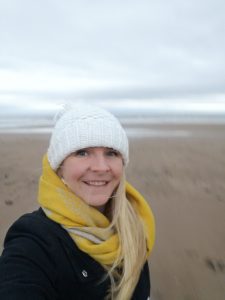 |
Emma McKinley, Senior Research Fellow, and has been based at Cardiff University since 2016. Her research focuses on understanding the complex relationship between society and the sea, taking account of diverse types of perceptions, attitudes and values held by different communities and audiences, and considers how this insight can be used to support effective ocean governance.
Expertise in marine social sciences, marine and coastal ecosystem services, ocean literacy and ocean governance. Expert in effective stakeholder and community engagement at local, regional, national and international scales. Founder and Chair of the Marine Social Science Network Net Zero Innovation Institute (NZII) Theme lead for Nature Based Solutions |
 |
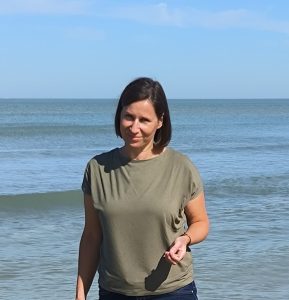
Christian Esteva-Burgos is a researcher at the Universitat de les Illes Balears and PhD candidate studying which geographical factors shape the implementation of blue education in coastal territories. He holds a Master’s in Education and serves as President of the Red Española de Escuelas Azules (Spanish Network of Blue Schools), a national network of over 330 accredited schools across the coastal regions of Spain. |
 |
Melita Mokos, University of Zadar, Department of Ecology, Agronomy and Aquaculture
Dr. Melita Mokos is a marine biologist and Assistant Professor at the University of Zadar, Croatia. She is an ocean literacy expert with over 10 years of experience in thie field, focusing on advancing ocean literacy in the Mediterranean and developing Mediterranean Sea Literacy framework. Her work highlights OL’s role in sustainable marine ecosystem management and education. She is former Vice President of EMSEA and EMSEA-Med coordinator, promoting ocean literacy through education and outreach. |
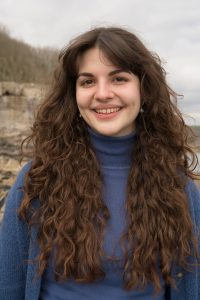 |
Rada Pandeva is an EU Young Ocean Advocate, UNESCO Ocean Literacy Champion, and first-class Marine Science graduate from the University of Exeter. Her research spans ocean bioacoustics, inclusive pedagogy, and marine citizenship. A disability justice activist, Rada is the founder of the UN Ocean Decade-endorsed Thalassophile Project — an initiative dedicated to increasing #incluSEAvity and making marine science and blue education accessible for all, particularly d/Deaf and blind people. |
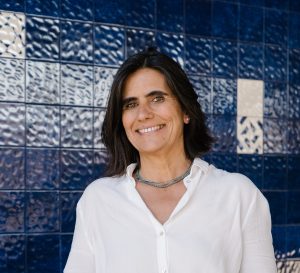 |
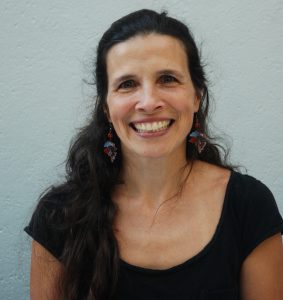
Rita Borges joined the Oceano Azul Foundation in 2018 and currently leads school programmes at Oceanário de Lisboa. She coordinates the Programme “Educating a Blue Generation”, developed in collaboration with Portugal’s Ministry of Education, to integrate ocean literacy into primary education. Holding a PhD in Marine Ecology, she has taught and conducted research in the field. She also served as executive director of a Ciência Viva Science Centre. |
 |
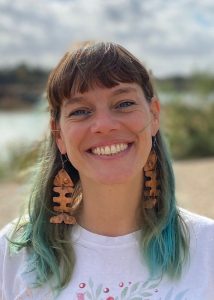
Begoña Vendrell-Simón is a secondary science teacher at Escola Galí Bellesguard (Barcelona), where she teaches experimental sciences, coordinates sustainability projects and leads a Forest School programme. She also trains teachers and lectures preservice teachers at UVic-UCC. A biologist and cultural anthropologist, she combines teaching with research on Ocean Literacy at ICM-CSIC and the University of Barcelona. Her interests include marine ecology, conservation, science education, and outreach. |
 |
Yolanda Sanchez
Yolanda is co-founder of the Latin American Marine Educators Network, Fund Engagement Manager for OCEAN Grants Programme, writer of illustrated nature books, and a member of the Edinburgh University Ocean Leaders Programme. She’s a dedicated advocate for ocean conservation through ocean literacy, leadership, networking, community engagement and participatory dynamics. With extensive experience across universities, NGOs, governments, and local communities, she has been involved in projects in Latin America, Africa and Europe. She aims to enhance educational methodologies and design marine education initiatives that prioritise ocean connections and community empowerment, inspiring leaders to champion ocean conservation. |
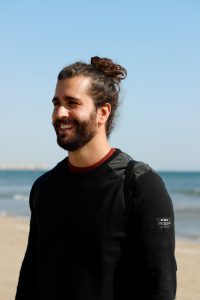 |
Emilio Beladiez
Environmental activist and educator with a background in Marine Sciences and over a decade of experience in marine conservation and sustainability projects. Throughout my career, I have combined my passion for the oceans with environmental education, leading workshops, beach cleanups, and awareness campaigns. My mission is to inspire a desire to protect our environment, helping individuals and organizations take sustainable steps that make a difference—always keeping in mind that caring for the planet can be both exciting and collaborative. From organizing events and training sessions to managing social networks and promoting more sustainable communities, I channel my energy and knowledge into building a bluer, more responsible future. |
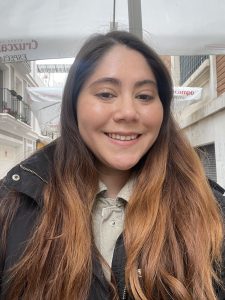 |
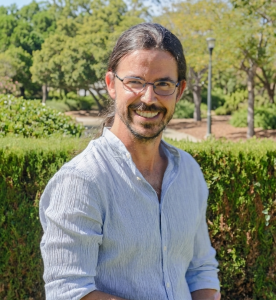
Carmen Brenes has developed her professional and academic career in the fields of environmental education, science education, and ocean literacy. Her background combines scientific training in marine sciences with specialised educational expertise gained through the Master’s Degree in Environmental Education for Sustainable Development and her doctoral research, which focuses on the teaching and understanding of the regulation of the Earth’s climate system. Her research addresses students’ prior conceptions, the design of model-based teaching sequences, and the development of innovative educational resources related to ocean literacy, marine biodiversity, climate change, and sustainability.
She is also involved in networks and initiatives linked to ocean literacy, including the UNESCO Ocean Literacy framework, and has designed educational materials, serious games, and teaching proposals aimed at bringing marine sciences closer to learners at different educational levels. Her role as a teacher at the Centro de Magisterio Virgen de Europa allows her to connect educational research with initial teacher training. Her main objective is to promote transformative science and environmental education that fosters ocean literacy, climate awareness, and social engagement with sustainability. |
 |
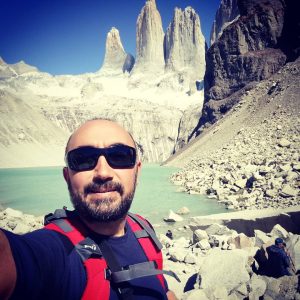
Alejandro Centeno-Cuadros is an Associate Professor of Genetics at the University of Cádiz and a member of the University Marine Research Institute (INMAR). With over 25 years of experience, Alejandro bridges the gap between laboratory science and nature conservation, exploring how genetics can help protect biodiversity. Throughout his global career -spanning top research centers in Spain, Scotland, Israel, and Germany- he has specialized in bringing high-tech science directly into nature. Notably, Alejandro develops “point-of-care” diagnostic tools, which are portable, rapid tests that allow researchers to identify the sex and species of wildlife right out in the field. Nowadays, he is also focused on population genetics of the invasive blue crab in Spain, disentangling its invasion route(s) across the country from America and selection mechanisms of the new (invasive) populations. Alongside his research, Alejandro is a dedicated educator with more than 1000 hours of teaching experience and a passionate science communicator. He actively shares his love for genetics with the public through community science fairs and creative outreach initiatives with a special focus in gamification of science. |
 |
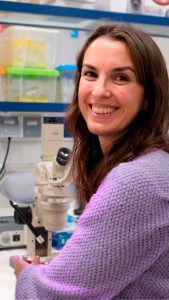
Javier Benavente is a Full Professor in Coastal Dynamics at University of Cádiz. His scientific career includes more than 100 peer-reviewed publications in international journals, over 40 book chapters, the editing of one scientific book, and more than 60 contributions to national and international conferences. He has participated in over 30 research projects and contracts, serving as Principal Investigator of six competitive regional, national, and European research projects. He has also conducted research stays at the University of Ferrara (Italy) and the University of Sydney (Australia). He has more than 20 years of university teaching experience at the University of Cádiz and Pablo de Olavide University, where he has taught undergraduate courses in Marine Sciences and Environmental Sciences, as well as graduate courses in the Master’s programmes in Oceanography and Integrated Coastal Zone Management. His academic leadership includes serving as Technical Coordinator of CEIMAR, Director General for Research at the University of Cádiz, and, since 2024, Dean of the Faculty of Marine and Environmental Sciences. He also serves as Chair of the Governing Board of the Bahía de Cádiz Natural Park. In recognition of his contributions to marine and coastal research, he was awarded the **PROA Award for Blue Knowledge**, acknowledging his scientific career and commitment to advancing knowledge and the sustainable management of marine and coastal environments. |
 |
Leila Carmona is a marine scientist dedicated to studying ocean biodiversity and exploring ways to protect marine ecosystems from the effects of global change. Passionate about international collaboration, she has spent nearly three years working in research centers abroad and collaborates with scientific teams across Europe, the Americas, and Australia.
Throughout her career, Leila’s fieldwork has contributed to marine taxonomy, including naming two new genera and describing more than 20 new species of sea slugs. Currently, she leads major environmental research projects focused on building advanced biodiversity databases and monitoring marine health in coastal environments. In addition to her research, Leila loves teaching and mentoring the next generation of ocean advocates, with more than 640 hours of university teaching experience. Committed to ocean literacy and public education, she regularly coordinates public science events and has authored educational tools, including the La Caleta Guide and a children’s book about protecting marine life. |
This course is supported and sponsored by:
Instituto Universitario de Investigación Marina (INMAR), Universidad de Cádiz
For any questions, please contact the coordinator of this course